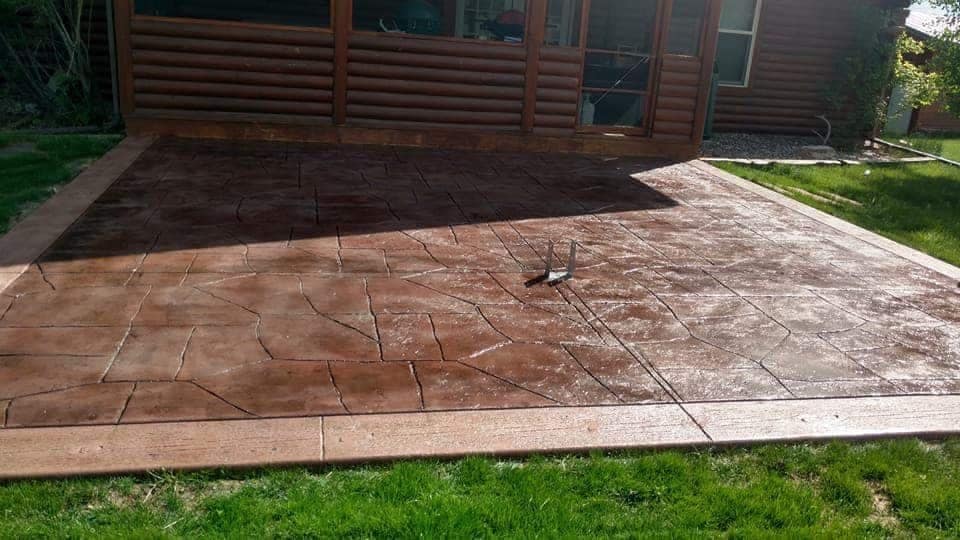
Choosing the right patio material is one of the biggest decisions homeowners make when planning an outdoor living space. A patio is more than just a place to set furniture or fire up the grill. It becomes part of how you relax, entertain, and enjoy your home. The material you choose affects everything from appearance and maintenance to durability and long-term cost.
For many Colorado homeowners, the decision often comes down to two popular options: concrete patios and paver patios. Both can create beautiful outdoor spaces, but they perform differently depending on the property, climate, design goals, and budget.
Colorado’s weather adds another layer to the decision. Patios here need to handle intense sun exposure, snow, freeze and thaw cycles, dry air, temperature swings, and shifting ground conditions. What works well in one climate may not hold up the same way along the Front Range.
Both pavers and concrete have advantages, but there are several reasons why more homeowners in Colorado Springs and the surrounding area are choosing concrete patios for their outdoor spaces. Understanding the differences can help you make the right decision for your home, your lifestyle, and your long-term maintenance expectations.
Why Patio Material Matters in Colorado
Colorado presents unique challenges for outdoor surfaces. A patio has to withstand far more than basic foot traffic. Throughout the year, it may experience freezing temperatures, snow accumulation, moisture intrusion, direct UV exposure, hail, and rapid temperature changes within the same day.
Freeze and thaw cycles are especially important. When moisture gets into small cracks or gaps and then freezes, expansion can occur. Over time, this process can contribute to movement, surface deterioration, and uneven areas if the patio was not installed correctly.
Drainage is another major consideration. Improper grading can lead to standing water, erosion, or shifting beneath the patio surface. A professionally installed patio should direct water away from the home while maintaining long-term stability.
Colorado homeowners also tend to use outdoor spaces heavily. Patios are often designed for entertaining, grilling, outdoor dining, fire pits, and relaxing with family and friends. The material needs to hold up to furniture, foot traffic, pets, and everyday use without becoming a constant maintenance project.
Because of these factors, the choice between pavers and concrete is not just about appearance. It is about performance, maintenance, longevity, and how the patio fits into the way you want to use your outdoor space.
What Is a Concrete Patio?
A concrete patio is created by pouring and finishing concrete into a custom shape and layout. Concrete patios can range from simple broom-finished surfaces to fully customized decorative outdoor living spaces with textures, colors, borders, and stamped patterns.
Modern concrete patios are far more versatile than many homeowners realize. Concrete can be shaped to fit nearly any backyard layout and customized to match different architectural styles and landscaping designs.
Homeowners who want a more decorative appearance often choose stamped concrete patios, which can replicate the look of stone, brick, slate, wood, or tile while maintaining the durability of poured concrete.
Concrete patios can also include:
- Decorative borders
- Color enhancements
- Textured finishes
- Integrated walkways
- Fire pit areas
- Outdoor seating spaces
- Multi-level layouts
For homeowners who want flexibility in both design and functionality, concrete offers a wide range of customization options while maintaining a clean and durable surface.
What Is a Paver Patio?
A paver patio is made using individual paving stones that are installed over a prepared base. The pavers are arranged in patterns and fitted together with sand or joint material between them.
Pavers come in many colors, sizes, shapes, and textures. Some homeowners prefer the segmented appearance of paver systems because it creates a more traditional or old-world style. Pavers can also be individually replaced if one section becomes damaged.
However, paver patios rely heavily on proper base preparation and ongoing maintenance to stay level and stable over time. If the base shifts, pavers can become uneven, settle in different areas, or develop gaps between units.
While pavers can create attractive outdoor spaces, homeowners should understand the maintenance and long-term upkeep involved before deciding which patio material is best for their property.
Durability Comparison: Concrete vs. Pavers
Both materials can last for many years when installed properly, but they perform differently over time.
Concrete Patio Durability
Concrete patios are known for their strength and longevity. A professionally installed concrete patio can handle heavy use, patio furniture, grills, fire features, and changing weather conditions.
Concrete also performs well in larger patio layouts because it creates one continuous surface. When control joints, reinforcement, grading, and curing are handled correctly, the patio can remain durable for decades.
Cracking can occur in concrete because all concrete naturally expands and contracts with temperature changes. However, proper installation techniques help control where cracking occurs and minimize structural problems.
Homeowners can also protect the surface with concrete sealing and maintenance, which helps reduce moisture penetration and surface wear.
Paver Patio Durability
Pavers are durable as individual units, but the overall patio system depends on the stability of the base underneath. Over time, shifting soil, drainage issues, freeze and thaw cycles, and heavy use can cause uneven sections or movement.
One advantage of pavers is that individual pieces can sometimes be replaced without redoing the entire patio. However, homeowners may still need periodic leveling, re-sanding, weed control, or repairs if settling occurs.
In Colorado’s climate, movement beneath pavers can become more noticeable over time if installation conditions are not ideal.
Maintenance Differences
Maintenance is one of the biggest reasons many homeowners choose concrete over pavers.
Concrete Patio Maintenance
Concrete patios are relatively low maintenance. Basic care usually includes:
- Occasional cleaning
- Periodic sealing
- Removing debris
- Addressing small cracks if they appear
Stamped and decorative concrete should be resealed periodically to help preserve color and surface protection, especially in areas exposed to strong sunlight and winter weather.
Overall, many homeowners appreciate that concrete provides a durable surface without constant upkeep.
Paver Patio Maintenance
Paver patios often require more ongoing attention. Maintenance may include:
- Replacing joint sand
- Managing weed growth between pavers
- Re-leveling shifted areas
- Repairing edge movement
- Cleaning joints and surface buildup
Over time, small movement between pavers can also create uneven walking surfaces if the patio is not maintained consistently.
For homeowners who want a lower-maintenance outdoor space, concrete is often the simpler option.
Cost Comparison
Cost is another major factor when comparing patio materials.
Concrete Patio Costs
Standard concrete patios are often more budget-friendly than paver patios, especially for larger backyard spaces. Decorative upgrades such as stamping, coloring, and textured finishes can increase costs, but concrete is still typically more affordable than high-end paver systems.
Because concrete can cover large areas efficiently, it can provide strong value for homeowners who want a substantial outdoor living space without dramatically increasing project costs.
Paver Patio Costs
Paver patios generally involve higher material and labor costs. Installation is more labor-intensive because each paver must be placed individually over a properly prepared base.
Complex patterns, borders, and premium paver styles can also increase pricing significantly.
While some homeowners prefer the appearance of pavers enough to justify the higher cost, others find that decorative concrete delivers a similar upscale look at a more manageable price point.
Appearance and Design Flexibility
Both materials offer customization options, but modern concrete has become much more visually versatile than many homeowners expect.
Decorative Concrete Design Options
Decorative concrete can be customized in many ways through:
- Stamped patterns
- Color enhancements
- Textured finishes
- Borders and accents
- Wood-look finishes
- Stone-inspired textures
Homeowners can explore different decorative concrete finishes to create a patio that matches the style of the home while still maintaining the strength and practicality of concrete.
Stamped concrete is especially popular because it allows homeowners to achieve a high-end appearance without the complexity and maintenance of natural stone or segmented paver systems.
For inspiration, homeowners can also browse the stamped concrete gallery to compare different textures, colors, and patio layouts.
Paver Patio Design Options
Pavers also offer a variety of patterns, colors, and shapes. Some homeowners specifically like the segmented appearance and texture variation that pavers create.
However, the visual difference between high-quality stamped concrete and pavers has become much smaller in recent years as decorative concrete technology has improved.
How Snow and Freeze-Thaw Cycles Affect Each Patio Type
Colorado winters can be tough on outdoor surfaces, which makes freeze and thaw performance especially important.
Concrete patios perform well when they are installed correctly with proper drainage, reinforcement, and joint placement. Sealing also helps reduce moisture penetration during winter conditions.
Paver patios can sometimes experience movement during repeated freeze and thaw cycles if moisture affects the base underneath the patio. This movement may lead to uneven areas or settling over time.
Snow removal is another consideration. Concrete patios generally provide a smoother surface for shoveling and snow removal equipment. Paver joints and uneven edges can sometimes make snow removal more difficult.
In climates like Colorado Springs, installation quality is critical no matter which material is chosen. However, many homeowners prefer concrete because it offers long-term stability with less ongoing adjustment and maintenance.
Which Patio Material Is Better for Different Homeowners?
The right patio material depends on what matters most to you.
Concrete May Be Better If You Want:
- Lower maintenance
- A cleaner, more seamless appearance
- A durable surface for entertaining
- Decorative options without extremely high costs
- A custom patio shape or layout
- A patio that performs well in Colorado weather
Pavers May Be Better If You Want:
- A segmented stone-style appearance
- Individual replaceable units
- A traditional paver aesthetic
- Specific paver patterns or textures
For many homeowners, concrete provides the best balance of appearance, durability, customization, and maintenance.
Concrete Patios Pair Well With Modern Outdoor Living Features
Another reason concrete patios continue to grow in popularity is that they work extremely well with modern outdoor living trends.
Concrete can easily integrate with:
- Outdoor kitchens
- Fire pits
- Seating walls
- Walkways
- Landscape lighting
- Covered patios
- Pergolas
- Outdoor dining spaces
Homeowners who want to create a full backyard experience often choose concrete because it provides a strong and flexible foundation for these additions.
Custom fire pit installations are especially popular in Colorado because they extend the usability of the patio into cooler evenings throughout the year.
Professional Installation Makes a Huge Difference
No matter which patio material you choose, installation quality matters. Proper grading, drainage, base preparation, reinforcement, forming, and finishing all affect how the patio performs over time.
Concrete installation requires experience to ensure the patio cures correctly, drains properly, and remains structurally sound. Decorative concrete also requires skill during stamping and finishing to achieve a clean, consistent appearance.
Working with an experienced contractor helps ensure the patio is designed for Colorado’s climate and built for long-term durability.
So, Which Patio Option Is Better for Colorado Homes?
Both pavers and concrete can create beautiful outdoor spaces, but for many Colorado homeowners, concrete offers the best combination of durability, customization, maintenance, and long-term value.
Modern decorative concrete gives homeowners far more design flexibility than many people expect. Whether you want a simple patio, a large outdoor entertainment space, or a stamped concrete design that mimics natural stone, concrete provides options that work well with Colorado homes and lifestyles.
It also delivers practical benefits that matter in this climate, including durability, lower maintenance demands, and strong performance during changing weather conditions.
If you are planning a new outdoor living space and want a patio built for Colorado weather and everyday use, CO Custom Concrete can help. From custom concrete patios and stamped concrete designs to decorative finishes, walkways, and fire features, our team creates outdoor spaces designed to last. Contact CO Custom Concrete today to start planning your patio project.