Concrete looks tough, and it is. But it is also porous, and in Colorado Springs that matters more than most people realize. Every winter, moisture soaks into the slab, freezes, expands, and works the surface apart a little at a time. Add deicers, intense sun, and big temperature swings, and even a great pour starts showing its age earlier than it should.
Sealing is the cheap insurance policy that slows all of that down. Here is what it actually does, when to do it, and how to avoid the mistakes we see all the time.
What concrete sealer actually does
A sealer does not make concrete bulletproof. What it does is cut down how much water and salt get into the surface. Less water going in means less freeze and thaw damage, less spalling and flaking, and fewer stains from oil, grime, and deicers. If you want the full story on why our winters are so hard on slabs, we break it down in our post on Colorado’s freeze and thaw cycle.
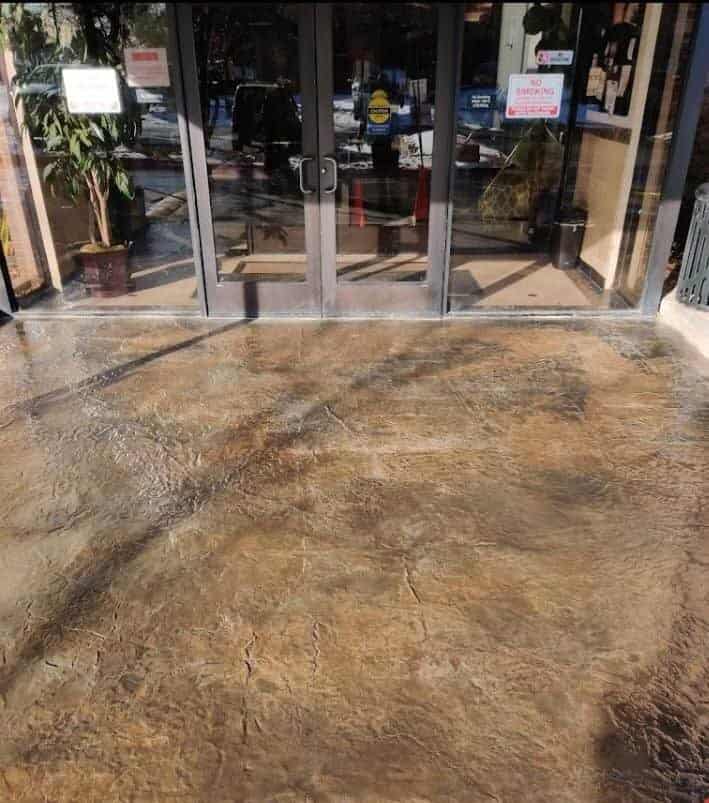
Sealers also change how concrete looks. Some leave the surface looking natural, and others deepen the color and add a satin or glossy finish. On stamped and stained concrete, that finish is a big part of the appeal.
Penetrating vs film forming sealers
Most sealers fall into two camps, and the right choice depends on the surface and what you want out of it.
- Penetrating sealers soak into the concrete and protect from within. They leave the look natural, do not wear off like a surface coating, and are a good fit for driveways, walkways, and anywhere traction matters.
- Film forming sealers sit on top of the surface. They bring out color and add sheen, which is why they are popular on stamped patios, stained floors, and decorative work. They tend to need more frequent reapplication.
- Specialty coatings, like those with added grit for traction, can make sense for pool decks, steps, and other spots that get slick when wet.
Using the wrong product is one of the most common mistakes. A glossy film on a surface that stays wet can turn cloudy or slippery, and a sealer applied over moisture can trap it and turn white. This is one area where a pro is worth it.
When to seal new concrete
New concrete needs time to cure before it gets sealed. A common rule of thumb is to wait about 28 days, though the right timing depends on the mix, the weather, and the sealer. Sealing too early can trap moisture that is still working its way out, and that causes cloudy spots and poor adhesion.
If your concrete went in late in the season, it is okay to wait until spring. We covered the ins and outs of cold weather work in our post on pouring concrete in winter, and the same logic applies to sealing: the surface needs to be dry, and temperatures need to cooperate.
How often should you reseal?
It depends on the product and how much punishment the slab takes. As a general guide, film forming sealers on decorative concrete usually want a fresh coat every two to three years, while penetrating sealers can last considerably longer. Driveways that see snow removal and deicers will wear sealer faster than a covered patio.
A simple test: sprinkle a little water on the surface. If it beads up, your sealer is still doing its job. If it soaks in and darkens the concrete, it is time to think about resealing.
The best time of year to seal
Late spring through early fall is ideal in Colorado Springs. Most sealers need a clean, dry surface and temperatures above roughly 50 degrees, both during application and for a day or so afterward. Our afternoon thunderstorms mean good crews watch the forecast closely, and so should you if you are tackling a DIY job.
If you are reading this in November, hold off. Sealing in cold, damp conditions is a recipe for a hazy, uneven finish. It is a great time to plan, though. Book an assessment now and get your spot on the spring schedule.
Prep makes or breaks the job
Sealer does not hide problems. Before it goes on, the surface should be thoroughly cleaned, free of oil and old coatings, and repaired where needed. Cracks, chipped edges, and spalled areas should be dealt with first. If your slab has bigger issues, it may be time to ask whether an overlay or replacement makes more sense than a fresh coat of sealer.
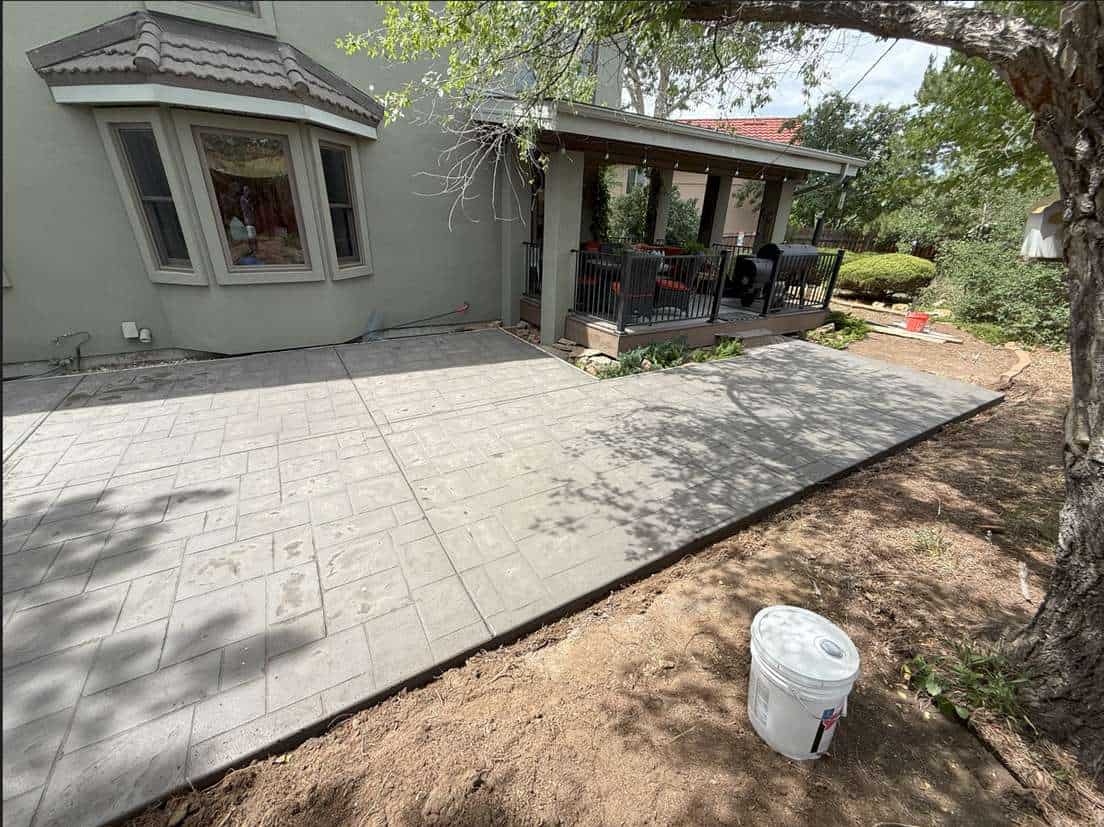
Stamped concrete deserves extra care, since the sealer is part of the finished look. If you are curious how stamped patios hold up over time, check out our post on what stamped patios actually cost and hold up to.
Not sure what your concrete needs?
Every slab is a little different, and the right sealing plan depends on the surface, the exposure, and what you want it to look like. Our concrete sealing and maintenance team can take a look and tell you what makes sense. When you are ready, contact us for a free estimate.
FAQ
Do I really need to seal my concrete in Colorado Springs?
It is not required, but it is strongly recommended. Sealing reduces water and deicer absorption, which helps limit freeze and thaw damage, flaking, and staining.
How long should I wait to seal new concrete?
A common guideline is about 28 days, but the right timing depends on the mix, the weather, and the sealer being used.
How often does concrete need to be resealed?
Film forming sealers on decorative concrete often need a new coat every two to three years. Penetrating sealers can last longer, depending on traffic and exposure.
Can I seal concrete in the winter?
It is not a good idea. Sealers need a clean, dry surface and mild temperatures, generally above roughly 50 degrees, to cure properly.